What is Harness Engineering?
Understand Harness Engineering from physical wiring harnesses to software test harnesses and emerging AI harness engineering architecture.
Harness Engineering is more than just bundling components together; it is a critical technology for controlling and connecting powerful forces toward a desired goal. The word 'Harness' originates from equestrian gear, perfectly capturing the process of taming raw power into something useful for humans.
Let's explore the three main worlds of Harness Engineering used in modern technology.
1. The Veins of Hardware: Wiring Harness
This is the most classical and essential field. Within complex machinery like cars or aircraft, there are thousands of meters of wires. Designing a system that systematically bundles and protects these wires to transmit power and signals is Wiring Harness Engineering.
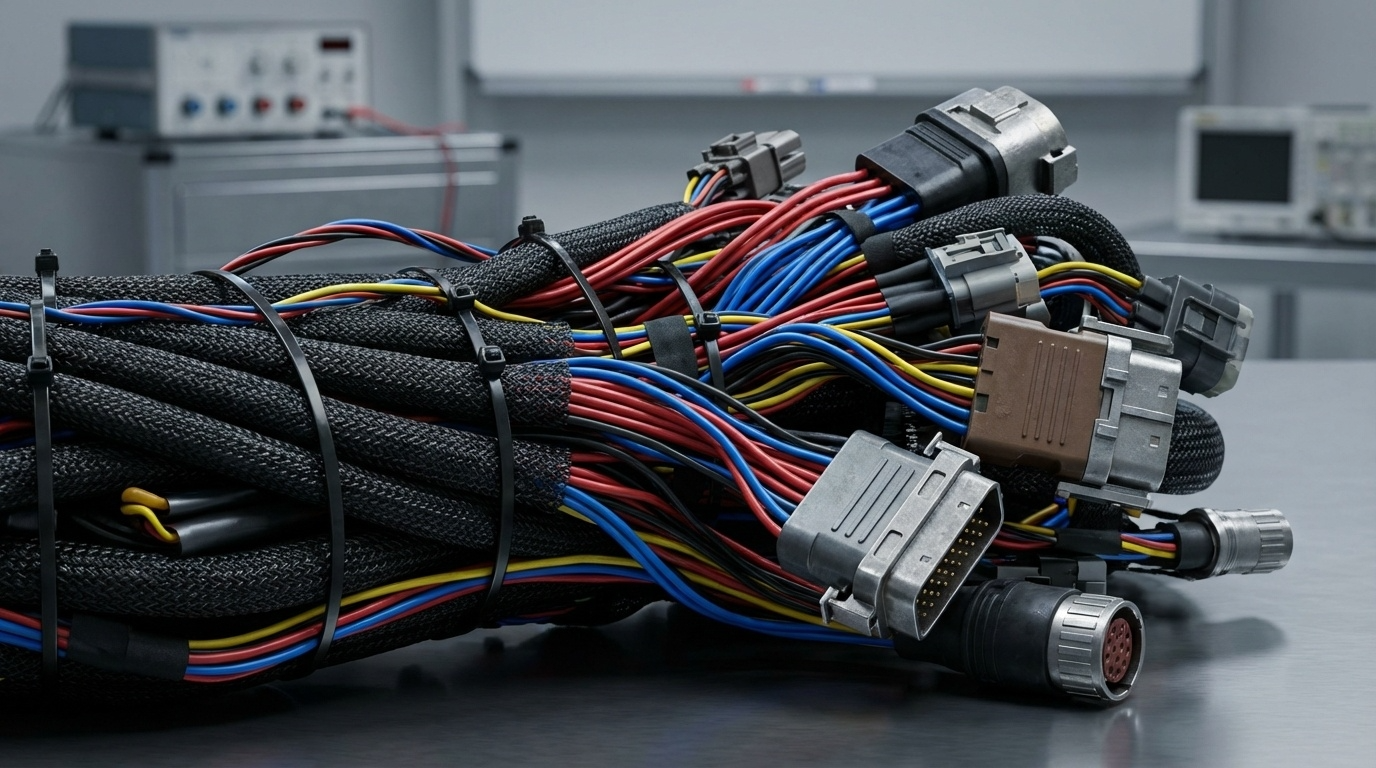
Key Roles:
Space Optimization: Organizes complex wiring into a single bundle to fit into tight spaces.
Protection and Durability: Protects wires from vibration, heat, and moisture to prevent failures.
Assembly Efficiency: Dramatically reduces manufacturing time by plugging in a pre-assembled harness instead of individual wires.
2. A Testing Platform for Perfection: Software Test Harness
In software engineering, a harness refers to a testing environment that safely supports and validates a program.
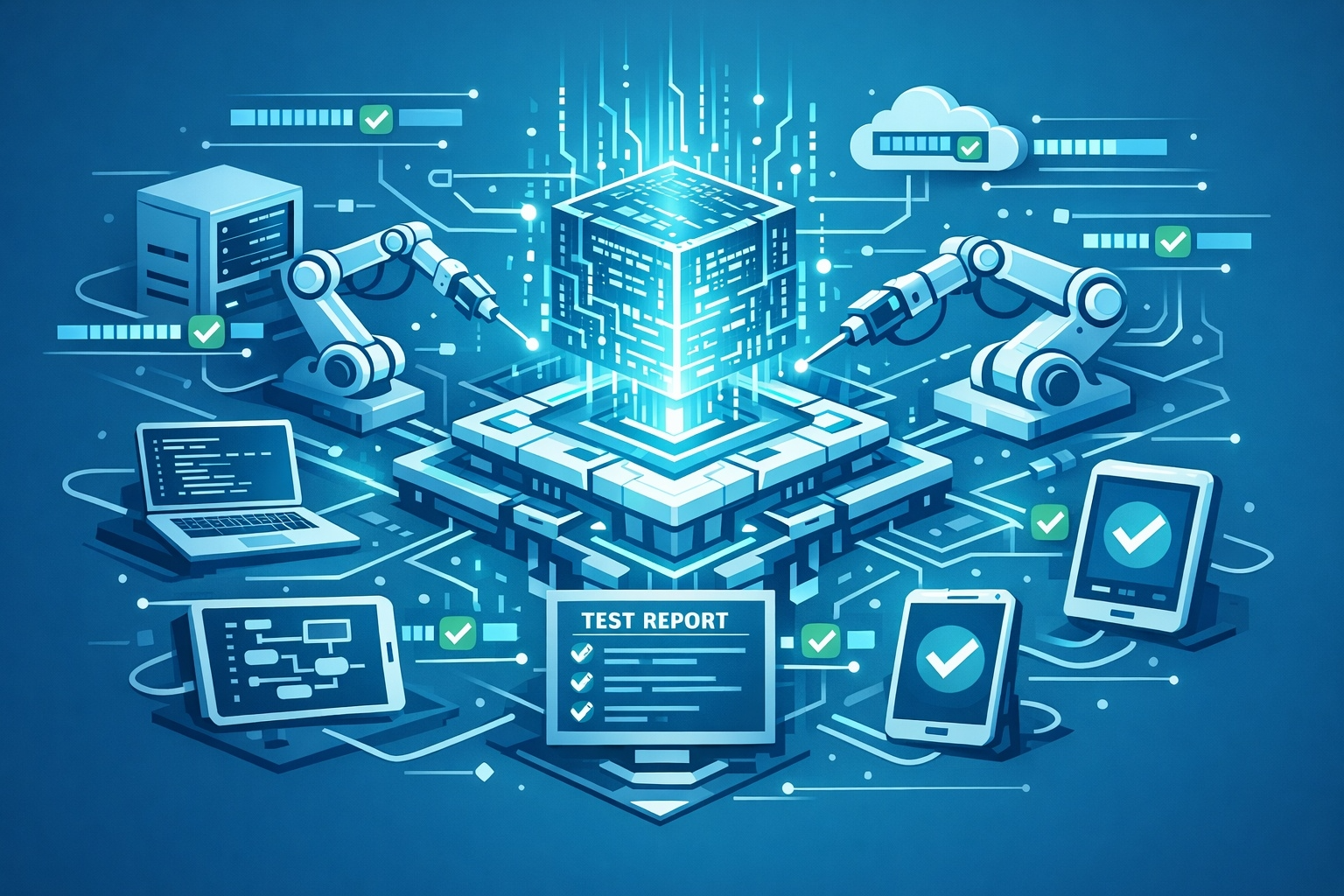
A software test harness is an automated set of tools that injects inputs and validates results to ensure that specific modules or components work correctly in isolation. It acts as a sturdy scaffold, allowing parts of a system to be tested even before the rest is complete.
3. The Reins of a New Era: AI Harness Engineering
This concept is gaining significant attention with the rise of generative AI and agents. Beyond just improving AI model performance, it is an engineering approach to creating guardrails and guidance so AI can produce results safely and according to human intent.
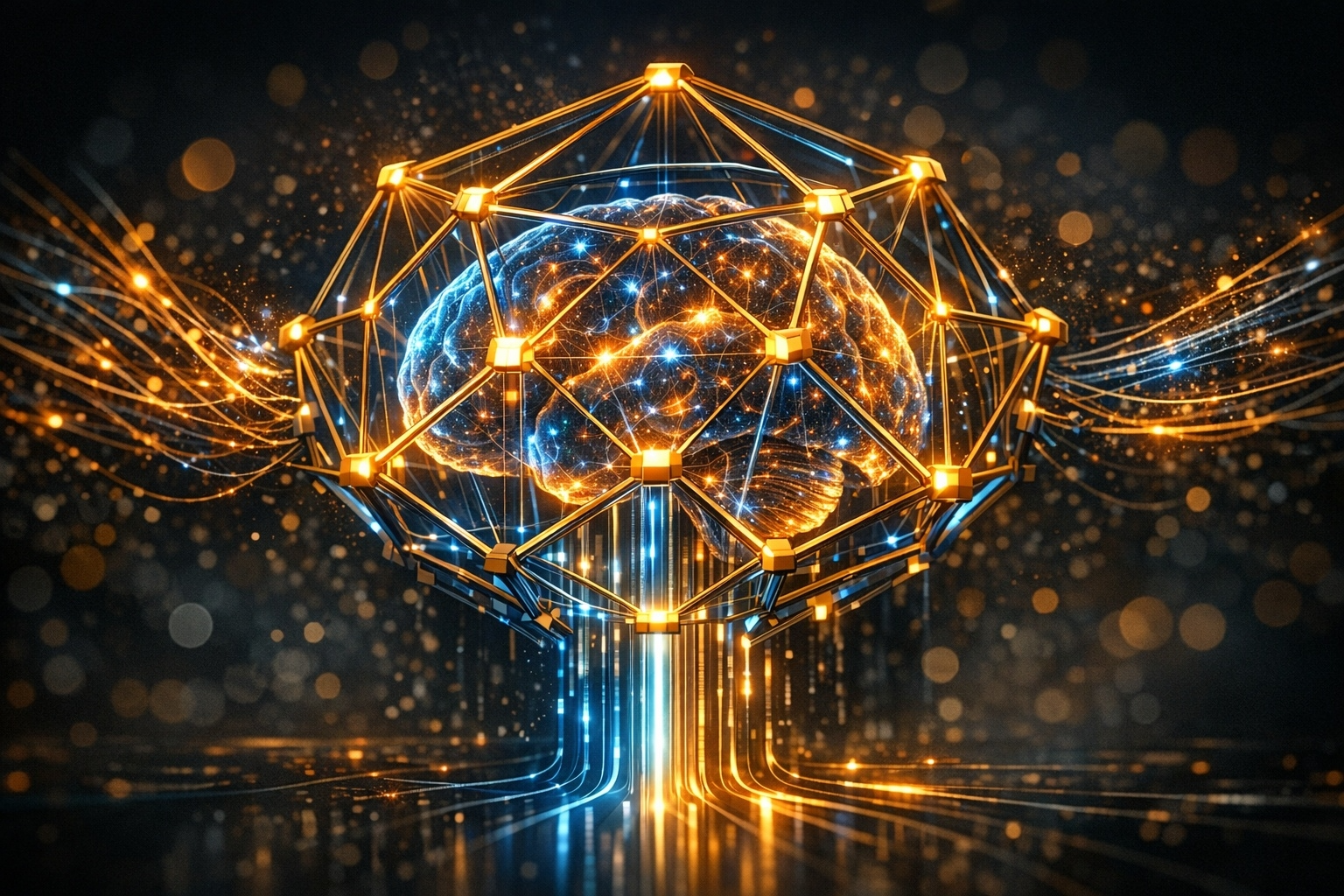
AI Harness Engineering involves designing structural constraints and feedback loops when AI agents build software or make complex decisions. This prevents AI hallucinations and increases accuracy, much like fitting a sophisticated rein on a powerful stallion to guide it.
Conclusion
Harness Engineering is a fundamental skill that manages complexity and transforms raw power into useful outcomes behind the scenes. From physical automotive cables to virtual AI intelligence, we turn technological potential into real-world value by designing better harnesses.
🔗 Related Reads (SEO Recommended)
Check out the latest tech trends and information related to Harness Engineering:
SEO Improvements and Web Accessibility Update: hafuture's journey in search engine optimization.
Claude Code Worker Guide: Practical development methods using AI harnesses.
The Rise of Vibe Coding: A new coding paradigm with AI.
--
Have any questions?
Fell free to reach out!
- Email: kck0920@gmail.com
- GitHub: https://github.com/kck0920